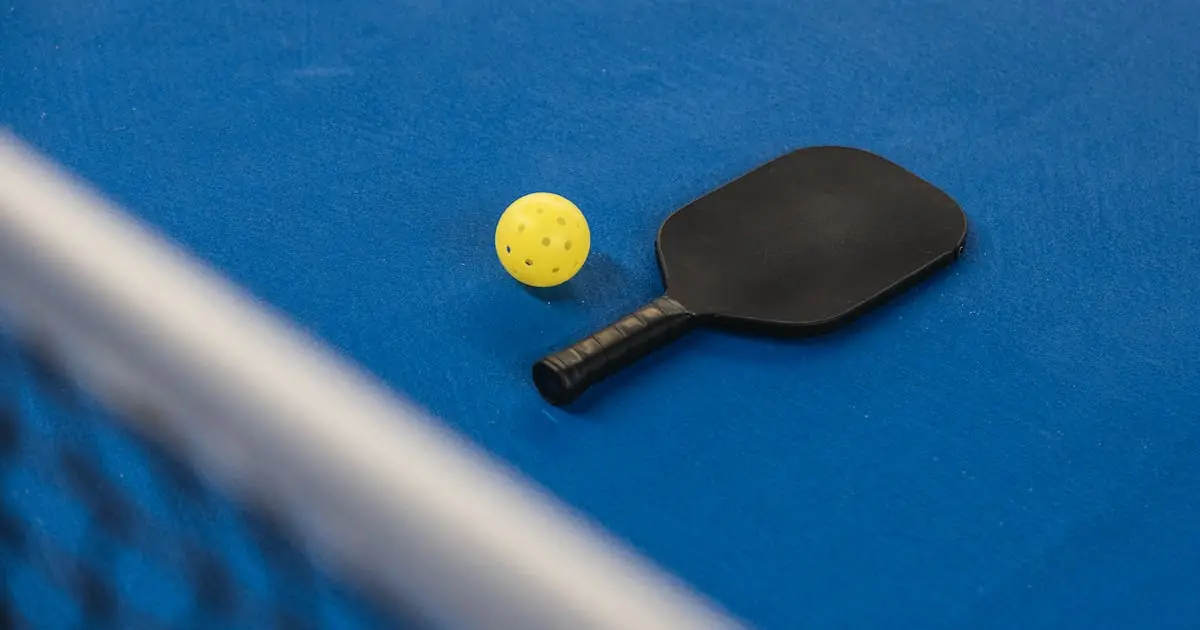
Best Portable Pickleball Nets (2026): What to Look For
Compare portable pickleball nets by regulation size, stability, setup time, portability, and price before buying a backyard or practice net.
A portable pickleball net is useful when you have a driveway, gym, tennis court, or backyard space but no permanent pickleball setup. The good ones make setup predictable. The bad ones sag, slide, and turn every rally into a net-height argument.
Disclosure: Some links on this page are affiliate links. If you buy through one, PickleballCurator may earn a commission at no extra cost to you. We focus on dimensions, stability, setup, and use case rather than simply recommending the most expensive net.
Quick answer: buy the right size first
For a full-size pickleball court, look for a net that is 22 feet wide. The official net height is 36 inches at the posts and 34 inches in the middle. A 10-foot or 12-foot practice net can be handy for drills, but it does not span a normal court and changes the angles of play.
Browse 22-foot portable pickleball nets after checking the frame and setup details below.
Portable net buying checklist
- Width: 22 feet for a full court; smaller nets only when you intentionally want a practice setup.
- Frame: look for a frame that locks together without excessive flex or loose joints.
- Center support: a center strap or support helps the net hold the correct middle height.
- Base stability: wider feet and a low center of gravity matter more than a flashy carrying case.
- Net tension: the top band should stay reasonably straight without requiring extreme force to assemble.
- Storage: measure the packed length before assuming it will fit in a closet or vehicle.
Regulation-size vs. practice nets
22-foot full-court nets
A 22-foot net is the practical choice for a backyard court, tennis-court conversion, community event, or regular doubles play. It lets you practice with the same width and net position you will encounter at most pickleball courts. Expect a longer frame and a little more assembly, especially if the frame breaks down into several sections.
Short practice nets
Short nets are easier to carry and can work for warmups, narrow spaces, and casual drilling. They are not a replacement for a full-size net. The reduced width changes cross-court shots and makes them less useful when you are trying to recreate normal game conditions.
Indoor vs. outdoor use
Indoor gyms: prioritize non-marking feet, quick setup, and a frame that can be carried without scraping the floor. A heavy base is helpful if the gym has airflow from fans or open doors.
Outdoor courts: prioritize stability, weather-resistant materials, and a bag that keeps the frame and net together. Wind is the main problem. A portable net is not a permanent fence, so do not leave it unattended in strong wind.
Driveways and patios: measure the usable space before buying. A regulation court is 20 by 44 feet, and you need additional room behind the baseline and beside the sidelines for safe movement.
How much should a portable net cost?
- Under $100: fine for occasional practice, but inspect reviews for frame durability, sagging, and missing parts.
- $100-$200: the practical range for a regular full-size recreational setup with a better frame and carrying bag.
- $200+: makes sense for frequent setup, clubs, events, or owners who value faster assembly and replacement-part support.
Price alone does not tell you whether a net will stay upright. A stable frame with ordinary fabric is usually a better buy than a premium-looking net with weak feet or hard-to-replace connectors.
What to avoid
- Unclear dimensions: if a listing never states the assembled width, skip it.
- Very narrow bases: they are more likely to shift when players brush the net or wind hits the side.
- Permanent outdoor storage: even weather-resistant materials last longer when stored dry.
- Unmeasured court space: a net cannot make a cramped or uneven area safe.
- Missing replacement parts: check whether poles, straps, and connectors are available separately.
Set up a usable temporary court
Start with a flat surface, measure the court before placing the net, and make sure the net is centered. If you are using temporary lines, keep them flat and visible without creating a trip hazard. For a permanent court, use the court directory to compare real facilities before buying more equipment.
Once the court is ready, use the PickleballCurator court finder to compare nearby public courts and see how a full-size setup feels with other players.
Our practical recommendation
For most homeowners and casual groups, choose a 22-foot net with a locking frame, visible center support, wide feet, and a real carrying bag. Spend extra on stability and replacement support before paying for cosmetic extras. If you only need a warmup net for a small space, buy a practice net honestly labeled for that purpose.
Related reading: Start with the pickleball starter gear guide, then compare pickleball bags for carrying your setup.
Gear Up & Play Better
Top-rated pickleball gear, picked for all skill levels.
- Best Pickleball Paddles on Amazon →
- Pickleball Balls (Outdoor & Indoor) →
- Court Shoes for Pickleball →
- Pickleball Bags & Cases →
- Portable Pickleball Nets →
As an Amazon Associate we earn from qualifying purchases.
Frequently Asked Questions
What size should a portable pickleball net be?
For a regulation-size pickleball court, look for a net that is 22 feet wide. The net is 36 inches high at the sidelines and 34 inches at the center when set up correctly.
Can I leave a portable pickleball net outside?
Most portable nets are better stored dry after use. Sun, rain, wind, and temperature swings shorten the life of the fabric, frame, and fasteners, even when a product is marketed for outdoor use.
Do portable pickleball nets include court lines?
Usually not. A net is only one part of a temporary court. You may also need court tape, chalk approved for the surface, or a flat playing area with correctly measured lines.