
How to Keep Score in Pickleball (Singles + Doubles, Explained Simply)
Learn how to keep score in pickleball, including doubles and singles scoring, what the three numbers mean, and a few quick memory tricks you can use in open play.
Pickleball scoring is one of those things that feels impossible for your first few games, then suddenly clicks and becomes automatic. The good news is that you do not have to memorize a huge rulebook. If you learn what you say, when you say it, and who is serving, you are 90% of the way there.
This guide explains how to keep score in doubles and singles, what the three numbers mean in doubles, and a few practical memory tricks that work in real open play.
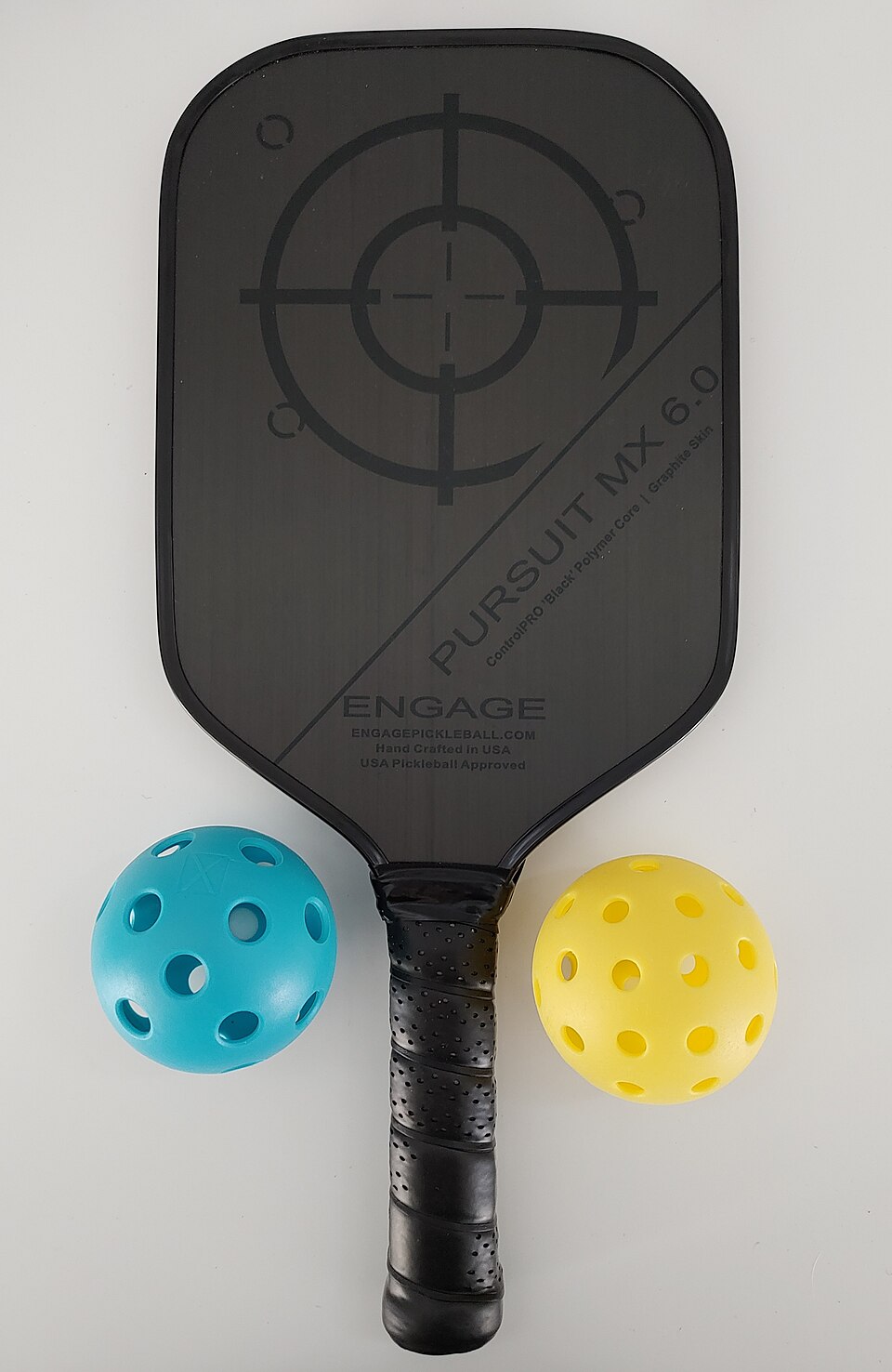
The goal: first to 11, win by 2
Most recreational games go to 11 points and you must win by 2. (Some leagues and tournaments use 15 or 21, but 11 is the default.)
Doubles scoring: the three numbers
In doubles, you call three numbers before you serve:
- Your team’s score
- Opponent’s score
- Server number (1 or 2)
Example: 7–4–2 means your team has 7, the other team has 4, and you are the second server for your team’s current service turn.
What does “first server” and “second server” mean?
Each team gets two chances to score while serving (one for each partner), before the serve switches to the other team. The only exception is the very start of the game.
The start-of-game exception (why you sometimes hear “0–0–2”)
At the beginning of a standard doubles game, the first serving team starts with only one server to reduce the advantage of serving first. That is why you might hear 0–0–2 at the start. It signals: “We are serving, and if we lose this rally, it is a side out.”
After that first side out, both teams get the normal two-server sequence on every service turn.
When do you score points?
In traditional pickleball scoring, you can only score a point when your team is serving. If the receiving team wins the rally, they do not get a point, they win the serve (or force the first server to switch to the second server).
A simple way to track who should be serving
Use this mental checklist:
- Did the serving team win the rally? If yes, they score a point and the same server serves again.
- Did the receiving team win the rally? If yes, the serving team either switches to their partner (server 2), or it becomes a side out and the other team starts serving.
Singles scoring (much simpler)
In singles, you call two numbers: your score then your opponent’s score. There is no server number.
Where do you stand to serve in singles?
This is the clean trick most singles players use:
- If your score is even (0, 2, 4, 6, 8, 10), you serve from the right side.
- If your score is odd (1, 3, 5, 7, 9), you serve from the left side.
Common scoring confusion (and how to fix it fast)
“We forgot if we are on 1 or 2”
Look at who served last for your team. If both partners have already served during this service turn, it should be a side out. If only one partner has served, you are on the second server.
“Who is the correct receiver?”
In doubles, the receiver is determined by where the teams are positioned. If you and your partner are lined up correctly based on the last point sequence, the correct receiver is the player diagonally opposite the server. If everyone is unsure, pause and reset positions together.
Two quick memory tricks for open play
- Say it the same way every time: “us, them, server.” Consistency prevents mix-ups.
- Use the wristband trick: Some players keep a wristband, key, or towel on the side of the court for “server 2.” If the item is out, you are on the second server.
Where PickleballCurator fits in
Once scoring clicks, the next step is reps. PickleballCurator helps you find courts and open play spots near you, so you can get more games, meet more players, and learn faster. Browse the directory to find your next session.
Gear Up & Play Better
Top-rated pickleball gear, picked for all skill levels.
- Best Pickleball Paddles on Amazon →
- Pickleball Balls (Outdoor & Indoor) →
- Court Shoes for Pickleball →
- Pickleball Bags & Cases →
- Portable Pickleball Nets →
As an Amazon Associate we earn from qualifying purchases.
Frequently Asked Questions
What do the three numbers mean in pickleball scoring?
In doubles, the three numbers are your team’s score, the other team’s score, and the server number (1 or 2). Example: 7–4–2 means your team has 7, opponents have 4, and you are the second server for your team’s service turn.
Why does pickleball start at 0-0-2?
In standard doubles, the first serving team starts with only one server to reduce the advantage of serving first. Calling 0–0–2 signals that if the serving team loses the rally, it is a side out and the other team serves.
Do you only score when serving in pickleball?
In traditional pickleball scoring, yes, you can only score points when your team is serving. If the receiving team wins a rally, they win the serve (or cause a server switch), but they do not score a point.
How do you keep score in singles pickleball?
In singles, you call two numbers: your score then your opponent’s. A common positioning rule is: serve from the right side when your score is even and from the left side when your score is odd.
