Pickleball Paddle Grip Size: How to Measure and Choose the Right Handle
Learn how to measure pickleball paddle grip size, what 4 1/4 vs 4 3/8 inches means, and how to adjust fit with overgrips for comfort and control.
Grip size is one of those pickleball details you only notice when it is wrong. Too small and the paddle can twist in your hand, forcing you to squeeze harder. Too large and you lose touch on dinks and resets, and your wrist can feel locked up on quick exchanges at the kitchen line.
The good news is that choosing the right pickleball paddle grip size is straightforward. In this guide, you will learn how to measure your hand, how to interpret common grip size numbers (like 4 1/4" vs 4 3/8"), and how to fine-tune the feel with overgrips without buying a new paddle.
What does “grip size” mean on a pickleball paddle?
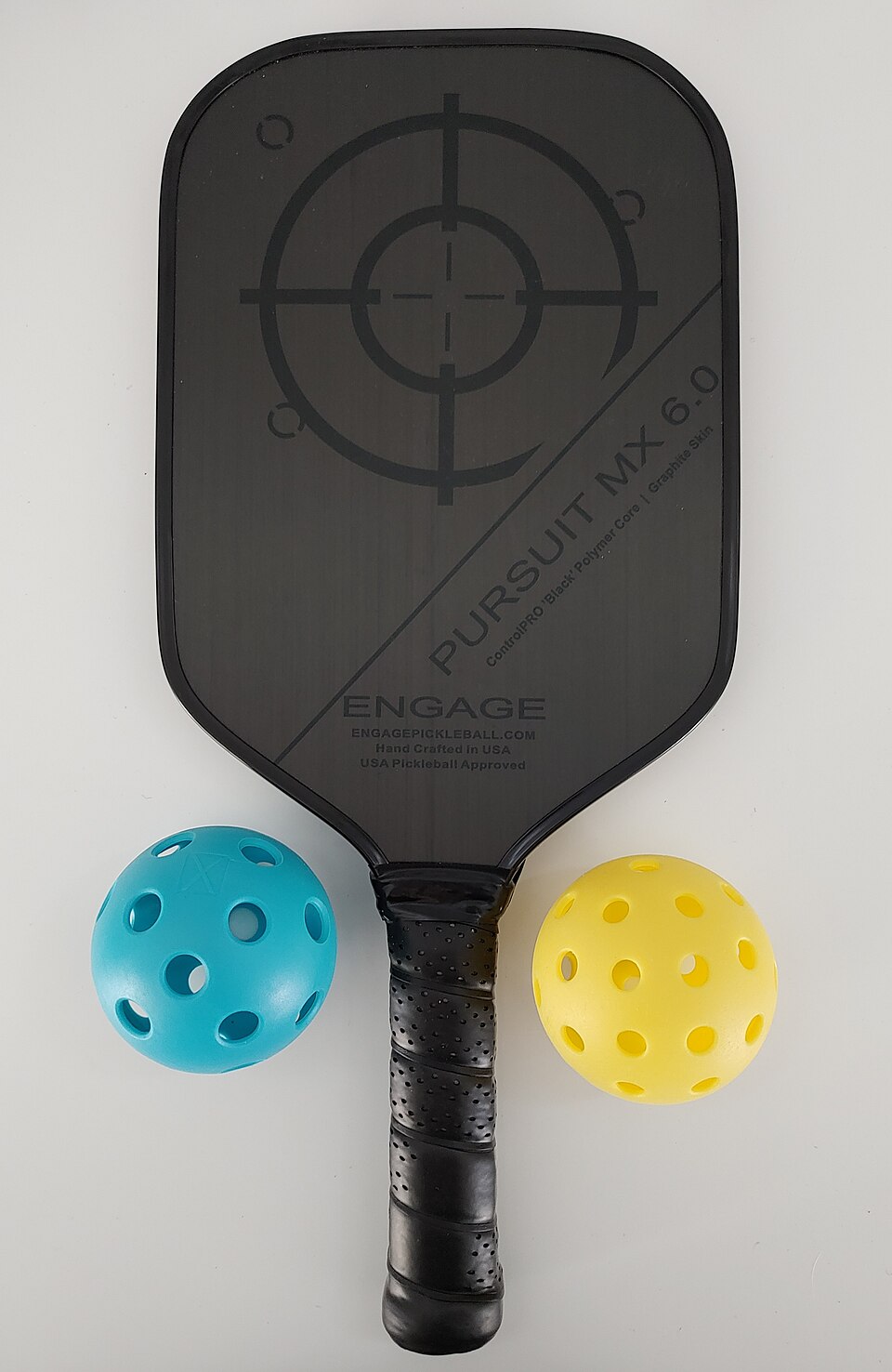
On most paddles, grip size is the circumference of the handle measured around the thickest part of the grip. You will usually see it listed in inches, often between about 4.0" and 4.5". A few brands label grips as small, standard, or large, but the inch measurement is the most useful because it is comparable across paddles.
Two important notes:
- Listed grip size is a starting point, not the final feel. The actual feel changes with the grip material, how much it compresses, and whether you add an overgrip.
- Hand size is not the only factor. Playing style matters, too. Players who rely on wristy speed-ups, flicks, and roll volleys often prefer slightly smaller grips for more mobility. Players who want stability on drives and blocks sometimes like a little more handle in the palm.
How to measure your ideal grip size (2 quick methods)
Method 1: The index-finger “gap” check
Hold the paddle in a comfortable handshake grip (the same grip you would use for a serve). Look at the gap between your fingertips and the base of your palm. Ideally, you should be able to slide your index finger from your other hand into that space with a snug fit. If there is no space, the grip is likely too small. If there is a big gap, it may be too large.
Method 2: Measure your hand with a ruler
Open your playing hand and measure from the middle crease of your palm to the tip of your ring finger. Use that number as a guideline:
- Under ~4.0": consider smaller grips (around 4.0" to 4.125")
- ~4.0" to ~4.5": standard grips (around 4.25" to 4.375")
- Over ~4.5": consider larger grips (around 4.375" to 4.5")
These are not rigid rules. If you are between sizes, choose based on comfort and style, then tune with an overgrip.
Small vs large grip: what changes in your game
Smaller grips (more wrist, more feel)
A slightly smaller grip can make it easier to use the wrist for quick, precise adjustments, especially on:
- Soft dinks and roll dinks
- Resets in the transition zone
- Flicks and speed-ups from below net height
The tradeoff is that smaller grips can encourage over-squeezing. If you feel forearm fatigue or your hand “death grips” on volleys, you may be compensating for a grip that is too small.
Larger grips (more stability, less twist)
A slightly larger grip can feel more stable on contact and reduce twisting on off-center hits. Many players also find that a larger grip is more comfortable if they have hand pain, arthritis, or numbness, because it can reduce how tightly you have to squeeze.
The tradeoff is reduced touch and wrist mobility for some players. If you struggle to take pace off the ball on resets or you feel late on fast hands battles, the grip may be too large.
How to adjust grip size without buying a new paddle
Add an overgrip (the easiest option)
An overgrip is a thin wrap you add on top of the existing grip. It increases the circumference slightly and can improve tackiness and sweat control. If your grip feels just a bit small, one overgrip is often enough. If you need more, you can add a second overgrip, but be careful, too much padding can mute feel.
Build up the handle under the grip
If you need a bigger jump (or you want to keep the outer grip feel the same), you can build up the handle under the replacement grip using thin finishing tape or dedicated grip build-up sleeves. This is common in tennis and works just as well in pickleball, especially if you have a paddle you love but the grip size is not quite right.
Swap to a thinner replacement grip
If the grip feels too large, going thinner can help, but it depends on your paddle. Some paddles come with thick, cushioned grips. Replacing that with a thinner grip can reduce circumference and improve feedback, but it may also reduce comfort if you prefer padding.
Common grip-size mistakes (and quick fixes)
- Mistake: choosing too small for “more spin.” A smaller grip can help wrist mobility, but spin comes from technique, timing, and paddle face control. If you squeeze too hard because the grip is tiny, you often lose control. Fix: choose comfort first, then tune with an overgrip.
- Mistake: ignoring sweaty hands. A grip that feels perfect in dry conditions can feel slippery in heat. Fix: try a tackier overgrip, and consider carrying a spare to swap mid-session.
- Mistake: changing too many variables at once. New paddle, new grip, new weight can make it hard to diagnose what helped. Fix: adjust grip size first (overgrip), then reassess.
Recommended starting point (if you are unsure)
If you do not know your ideal size, start around 4.25" (a very common “standard” grip). Play a few sessions, then adjust with a single overgrip if you want a bit more handle, or swap to a thinner grip if it feels bulky.
Next step: match grip size to paddle choice
Grip size is one piece of the puzzle. Paddle shape, swing weight, and surface texture all influence how your paddle feels. If you are still deciding, read our guide on how to choose a pickleball paddle for a practical breakdown.
Want to play more and shop less? PickleballCurator helps you find courts, open play, and places to compete so you can spend your time on the court, not scrolling. Browse the directory and find a great game near you.
Shop for the Right Grip Size
If you are between sizes, compare paddles in your target grip range and check recent buyer feedback before choosing.
Match grip size to a beginner paddle
Once you know your handle size, use our best pickleball paddles for beginners guide to compare beginner-friendly paddles by grip comfort, weight, and control.
Match grip comfort with the right paddle
Grip size matters even more when you are trying to keep your hand relaxed. After measuring your grip, compare lighter, comfort-first options in our best pickleball paddles for seniors guide, or use our best beginner pickleball paddles list if this is your first paddle.
Gear Up & Play Better
Top-rated pickleball gear, picked for all skill levels.
- Best Pickleball Paddles on Amazon →
- Pickleball Balls (Outdoor & Indoor) →
- Court Shoes for Pickleball →
- Pickleball Bags & Cases →
- Portable Pickleball Nets →
As an Amazon Associate we earn from qualifying purchases.
Frequently Asked Questions
What is the most common pickleball paddle grip size?
Many paddles come in a “standard” grip around 4.25 inches. It is a solid starting point for most adults, and you can fine-tune the feel with an overgrip.
Should I choose a smaller or larger grip for better control?
Control usually comes from a grip that lets you hold the paddle relaxed without slipping. Too small can cause twisting and over-squeezing, too large can reduce touch and wrist mobility. If you are between sizes, start smaller and add an overgrip if needed.
How much does an overgrip increase grip size?
A single overgrip typically increases the handle circumference slightly, often enough to make a small grip feel “just right.” The exact change depends on the overgrip thickness and how tightly you wrap it.
Is a larger grip better for arthritis or hand pain?
Often, yes. A slightly larger grip can reduce how hard you have to squeeze, which may feel better for arthritis or hand fatigue. Comfort is the priority, then adjust tackiness and cushioning with your grip choice.