
Pickleball Serve Rules (2026): Legal Serves, Drop Serves, Spin, and Common Faults
Learn pickleball serve rules the easy way: volley serve vs drop serve, foot faults, where the serve must land, spin basics, and a checklist of common illegal serves.
The serve sets the tone for every rally, and pickleball has a few serve rules that catch even experienced tennis players off guard. This guide breaks down what makes a serve legal (and illegal), when you can add spin, what the drop serve changes, and the most common faults you can avoid on day one.
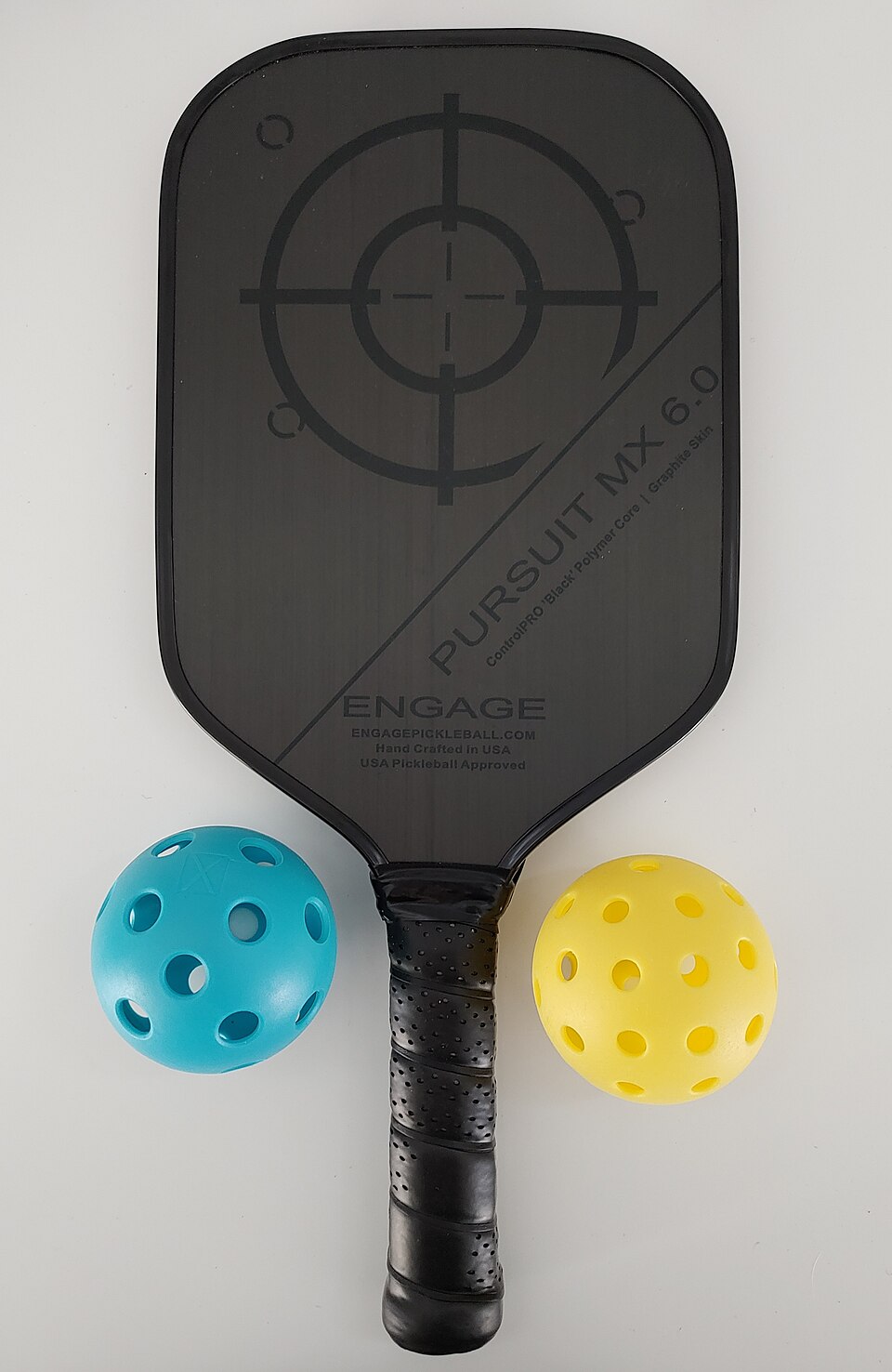
The 3 big serve rules (memorize these)
- Underhand contact: Your paddle must contact the ball with an upward motion.
- Contact below the waist: For a volley serve, contact must be below your waist (navel area).
- Paddle head below the wrist: At contact on a volley serve, the highest part of the paddle head can’t be above your wrist.
If you can check all three boxes, you’re usually in the clear.
Volley serve vs drop serve (what’s different)
Pickleball allows two serve styles:
- Volley serve: You hit the ball out of the air, before it bounces. This is the traditional serve and it’s where the “below the waist” and “paddle below wrist” checks matter most.
- Drop serve: You drop the ball (no tossing upward) and hit it after the bounce. The drop serve is often easier for beginners because it naturally creates an upward swing path.
In both cases, your serve must be underhand and you must be behind the baseline at contact.
Foot fault rules: where your feet can be
Foot faults are one of the most common “I didn’t know that mattered” serve mistakes. When you strike the ball:
- At least one foot must be on the ground behind the baseline.
- Neither foot can touch the baseline or the court inside it.
- Your feet must stay within the imaginary extension of the sideline and centerline.
A good habit is to start a few inches behind the baseline and avoid stepping forward until after contact.
Where the serve has to land (and why it matters)
The serve must travel diagonally and land in the opponent’s service court:
- Past the non-volley zone (kitchen) line, including the kitchen line itself (the serve can’t land in the kitchen).
- Inside the sideline and baseline of the receiving court.
If the serve hits the net and lands in the correct service box, it’s a fault (unlike tennis, there are no “let serves” in pickleball for most play).
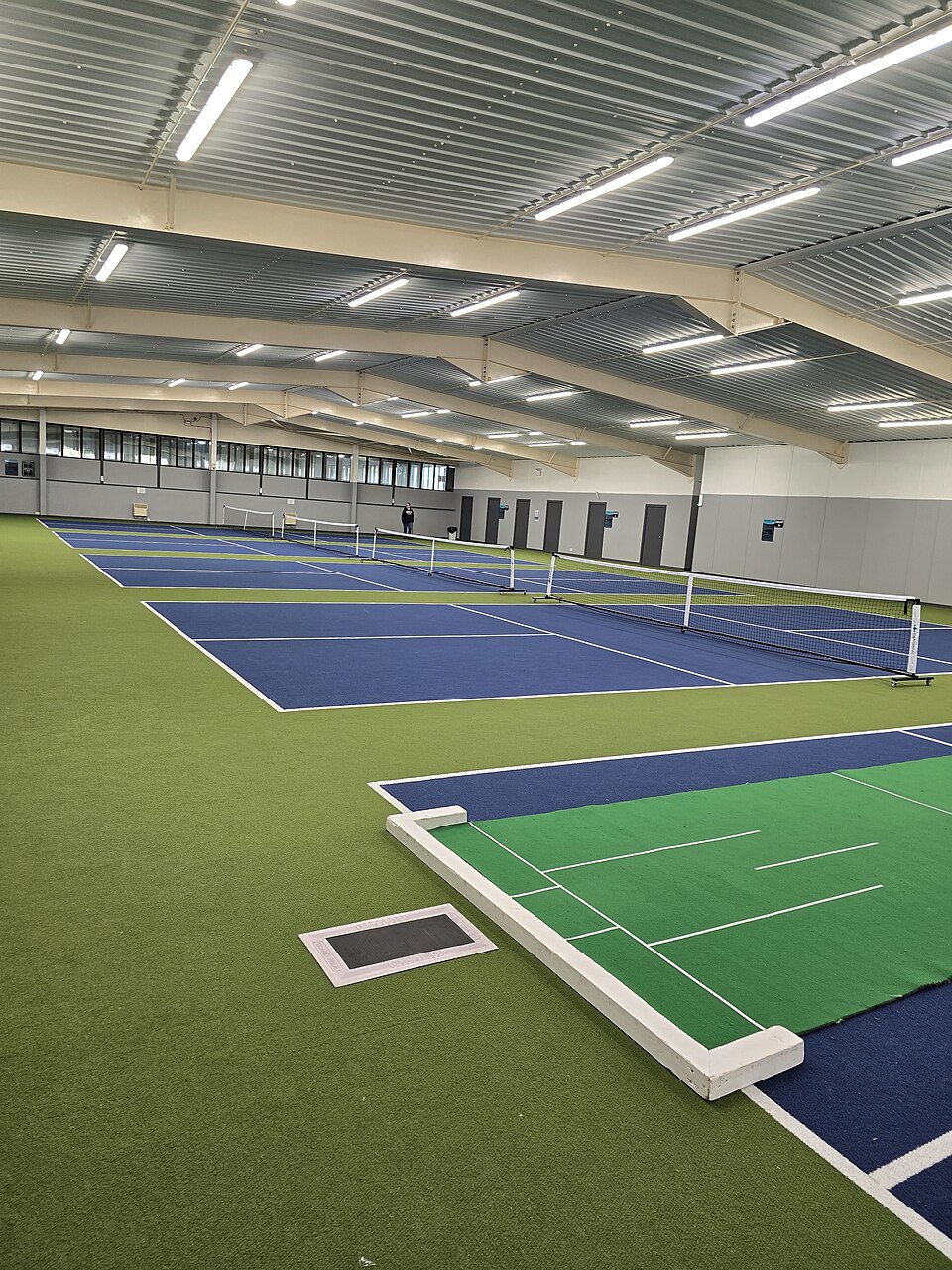
The double-bounce rule: the serve starts it
After the serve, the ball must bounce once on the receiving side, and then once on the serving side, before either team can volley. That means:
- The receiving team must let the return bounce.
- The serving team must let the third shot bounce.
Knowing this helps you choose a serve target. A deeper serve can buy you time to get set for the return and your third shot.
Can you put spin on a serve?
In normal play, you can add spin with your paddle motion (slice or topspin) as long as the serve is otherwise legal. What you should avoid is anything that looks like you’re “enhancing” spin by manipulating the ball in an odd way before contact.
Practical tip: if you’re new, prioritize a deep, consistent serve over a flashy spinning serve. Depth and placement win more points at rec level than maximum RPM.
5 common illegal serves (quick checklist)
- You contact the ball above your waist on a volley serve.
- Your paddle head is above your wrist at contact on a volley serve.
- You hit with a clearly downward motion (not underhand).
- Your foot touches the baseline or steps into the court at contact.
- The serve lands in the kitchen or outside the diagonal service box.
Serve strategy that’s legal (and actually works)
- Go deep first: Aim 1 to 3 feet inside the baseline. Deep serves reduce the receiver’s angles.
- Pick a simple target: Middle (at the receiver’s backhand hip) is often the safest.
- Vary height and pace: A slower, higher serve can be tougher than a fast serve that sits up.
- Build a routine: Two breaths, two bounces (if you do that), then serve. Consistency beats nerves.
Find courts, open play, and leagues near you
When you’re ready to practice these serve rules in real games, PickleballCurator helps you find places to play, from public parks to indoor clubs. Browse our city directories to see court locations, amenities, and what to expect at popular spots.
Gear Up & Play Better
Top-rated pickleball gear, picked for all skill levels.
- Best Pickleball Paddles on Amazon →
- Pickleball Balls (Outdoor & Indoor) →
- Court Shoes for Pickleball →
- Pickleball Bags & Cases →
- Portable Pickleball Nets →
As an Amazon Associate we earn from qualifying purchases.
Frequently Asked Questions
What makes a pickleball serve legal?
A legal serve is underhand, struck behind the baseline, and travels diagonally into the correct service box without landing in the kitchen. On a volley serve, contact must be below the waist and the paddle head can’t be above the wrist at contact.
Is the drop serve allowed in pickleball?
Yes. You can drop the ball and hit it after the bounce. The drop serve still must be underhand and you must be behind the baseline at contact.
Are there lets on serves in pickleball?
In most play, no. If the ball clips the net on the serve and still lands in the correct service box, it’s typically a fault, not a replay.
Can you put spin on a pickleball serve?
You can add spin with your paddle motion (slice or topspin) as long as the serve is otherwise legal. If you’re new, focus on depth and placement first.
