
Pickleball Third Shot Drop: How to Hit It, When to Use It, and Common Fixes
Learn the pickleball third shot drop with clear technique cues, footwork tips, when to choose drop vs drive, and quick fixes for the most common mistakes.
The third shot drop is one of the biggest separators in pickleball. If you can reliably hit a soft ball that lands in the kitchen (instead of floating it long or dumping it into the net), you turn defense into neutral, and neutral into offense. It is also the shot that lets you play the game at the net, where most points are won.
This guide breaks down what the third shot drop is, why it matters, how to hit it with repeatable cues, and how to troubleshoot the most common problems. If you are still learning the soft game, do not worry, you do not need a perfect “pro drop.” You need a playable drop that buys you time to get to the kitchen.
What is the third shot drop?
The “third shot” is the serving team’s first shot after the return of serve. The classic third shot drop is hit softly with an arc so it lands in the opponent’s non-volley zone (the kitchen) and stays low enough that they cannot easily attack it.
The goal is simple: force your opponents to hit up, then use that extra time to move forward and establish your position at the non-volley zone line.
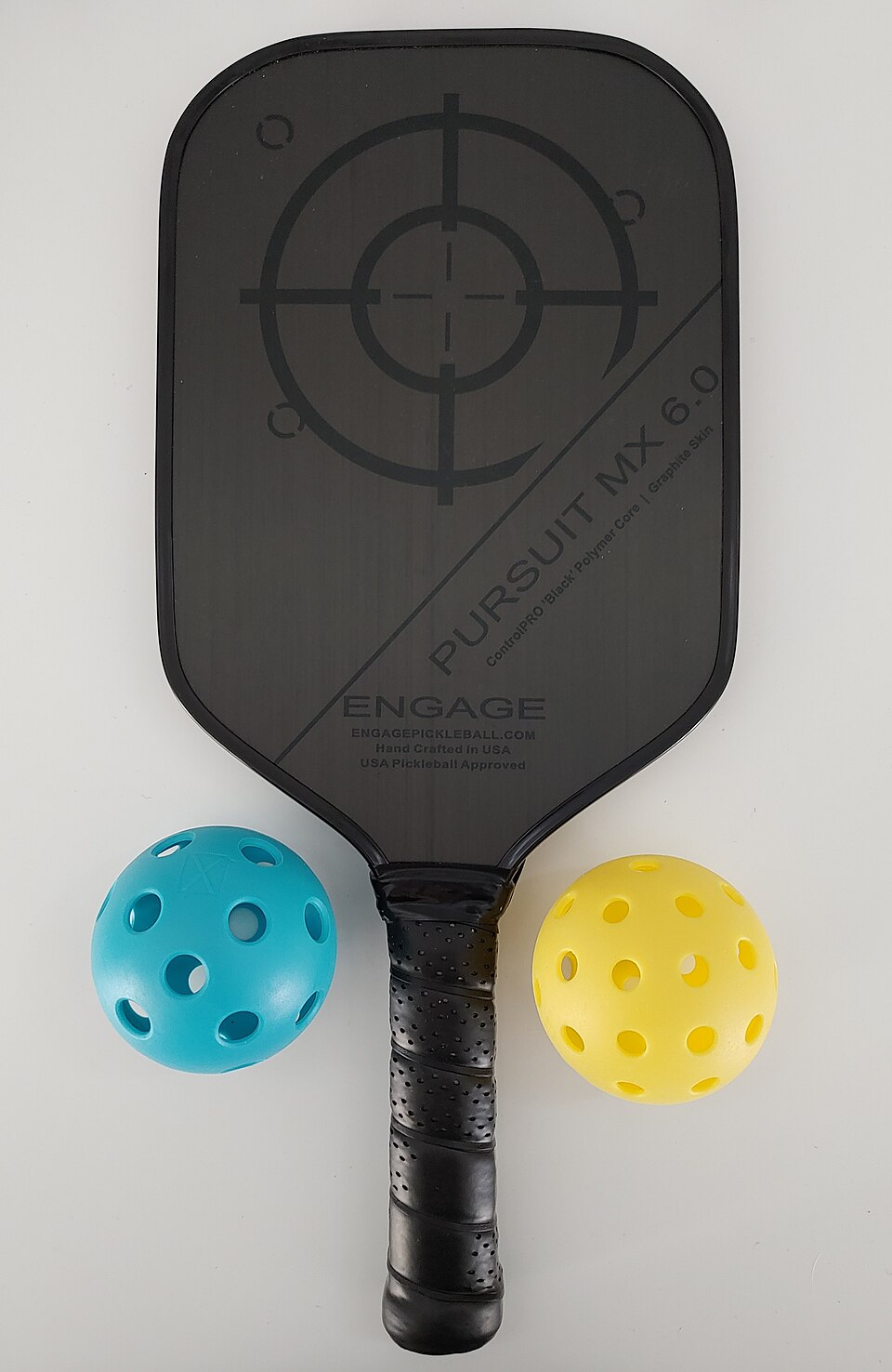
Why the drop matters (and what it changes)
When you stay back at the baseline, you are usually reacting. Your opponents at the kitchen can take the ball early, cut angles, and volley down. A good drop flips that script:
- It slows the rally down so you can move forward together.
- It removes easy attack balls that come from floating drives and half-volleys.
- It creates dink opportunities, which is where patience and placement win points.
Even if your drop is not perfect, a ball that lands in the kitchen and bounces is usually “safe enough” to keep you in the point.
Third shot drop fundamentals: grip, swing, and target
Grip and paddle face
A neutral grip (often close to continental) makes it easier to keep the paddle face stable through contact. Avoid overly opening the face, which can cause high floaters, and avoid closing it, which leads to net balls.
Think “lift” not “hit”
The drop is not a fast swing. It is a controlled motion that sends the ball up and over the net with enough arc to land softly. Many players improve immediately when they focus on lifting with their legs and keeping the swing compact.
Pick a forgiving landing zone
Instead of trying to land the ball right on the kitchen line, aim deeper into the kitchen. A ball that lands a few feet past the kitchen line still does its job, while a ball that clips the net ends the rally.
Footwork: how to set up on a deep return
Deep returns make the third shot harder because you are contacting the ball lower and farther back. A few setup habits help a lot:
- Get sideways early and give yourself room so you can swing without crowding the bounce.
- Let the ball drop to a comfortable height instead of rushing and hitting it off your shoelaces.
- Stay balanced at contact. If you are falling forward, your drop often goes long.
Drop vs drive: a simple decision rule
You do not have to drop every third shot. A useful beginner rule is:
- Drop when the return is deep and you need time to advance.
- Drive when the ball is higher or you see a specific matchup you can pressure, then be ready to reset (drop or soft shot) on the next ball.
The best players mix both, but the drop is usually the more reliable “get to the kitchen” tool when things are neutral.
Common problems and quick fixes
“My drops go into the net.”
- Aim deeper into the kitchen.
- Add arc (think “rainbow”).
- Use your legs to lift instead of flicking your wrist.
“My drops float too high and get smashed.”
- Shorten your backswing and slow down.
- Contact the ball slightly more in front so you can control height.
- Try a slightly firmer ball with less arc (still landing in the kitchen) rather than a very loopy shot.
“I can drop in practice, but not in games.”
- Pick one safe target (middle of the kitchen) and commit to it.
- Expect nerves, then choose the higher-percentage version of the shot.
- Practice from realistic positions, especially off deep returns.
Two simple drills to build a reliable third shot drop
1) Crosscourt drop to a target
Place a cone or towel a few feet inside the kitchen crosscourt. Hit ten drops trying to land near the target. Count how many bounce in the kitchen. This gives you feedback without obsessing about perfect placement.
2) Drop and advance
Start at the baseline. Hit a drop, then take two controlled steps forward after contact. The goal is to train the real purpose of the shot: moving to the kitchen as a team, not staying stuck back.
Find places to practice on PickleballCurator
If you want to build a great third shot drop, you need reps. PickleballCurator’s courts directory helps you find places to play and practice near you, including outdoor parks, indoor facilities, and community courts with clear addresses and amenities. Browse the directory, pick a quiet time, and give yourself a focused 20-minute drop session before open play.
Gear Up & Play Better
Top-rated pickleball gear, picked for all skill levels.
- Best Pickleball Paddles on Amazon →
- Pickleball Balls (Outdoor & Indoor) →
- Court Shoes for Pickleball →
- Pickleball Bags & Cases →
- Portable Pickleball Nets →
As an Amazon Associate we earn from qualifying purchases.
Frequently Asked Questions
What is the third shot drop in pickleball?
The third shot drop is a soft, arcing shot hit by the serving team on the third contact of the rally, designed to land in the opponent's kitchen and allow you to move safely to the non-volley zone line.
When should I hit a third shot drop instead of a drive?
Choose a drop when the return of serve is deep and you need time to get to the kitchen. Choose a drive when you have a higher ball or you see a weaker defender you can pressure, then look to drop the next ball if the drive comes back.
Why do my drops keep going into the net?
Common causes are swinging too hard, contacting the ball too low, and aiming too close to the net. Add more arc, lift with your legs, and aim to land the ball just past the kitchen line rather than trying to clip the tape.
Where should I stand to hit the third shot drop?
Most players hit it from near the baseline after the return of serve. Give yourself space, get set early, and move forward after contact so you're not stuck back for the next ball.
