
Pickleball Third Shot Drop Guide: How to Hit It, When to Use It, and Fixes
A practical third shot drop guide: mechanics, targets, drop vs drive decisions, common mistakes, and drills to reach the kitchen line safely.
The third shot drop is one of the most important skills in pickleball because it solves a simple problem. After you serve, the return team is usually already at the non volley zone line, while you and your partner are still back. If you hit a hard drive from the baseline into ready paddles, you often give up the point. If you float a ball too high, you get punished.
A good third shot drop lets you move forward safely. It is a soft, arcing shot that lands in the opponent’s kitchen (or just inside it) and forces them to hit up. That buys you time to get to the line and start playing the part of the game where most points are won: controlled dinks, smart resets, and well timed attacks.
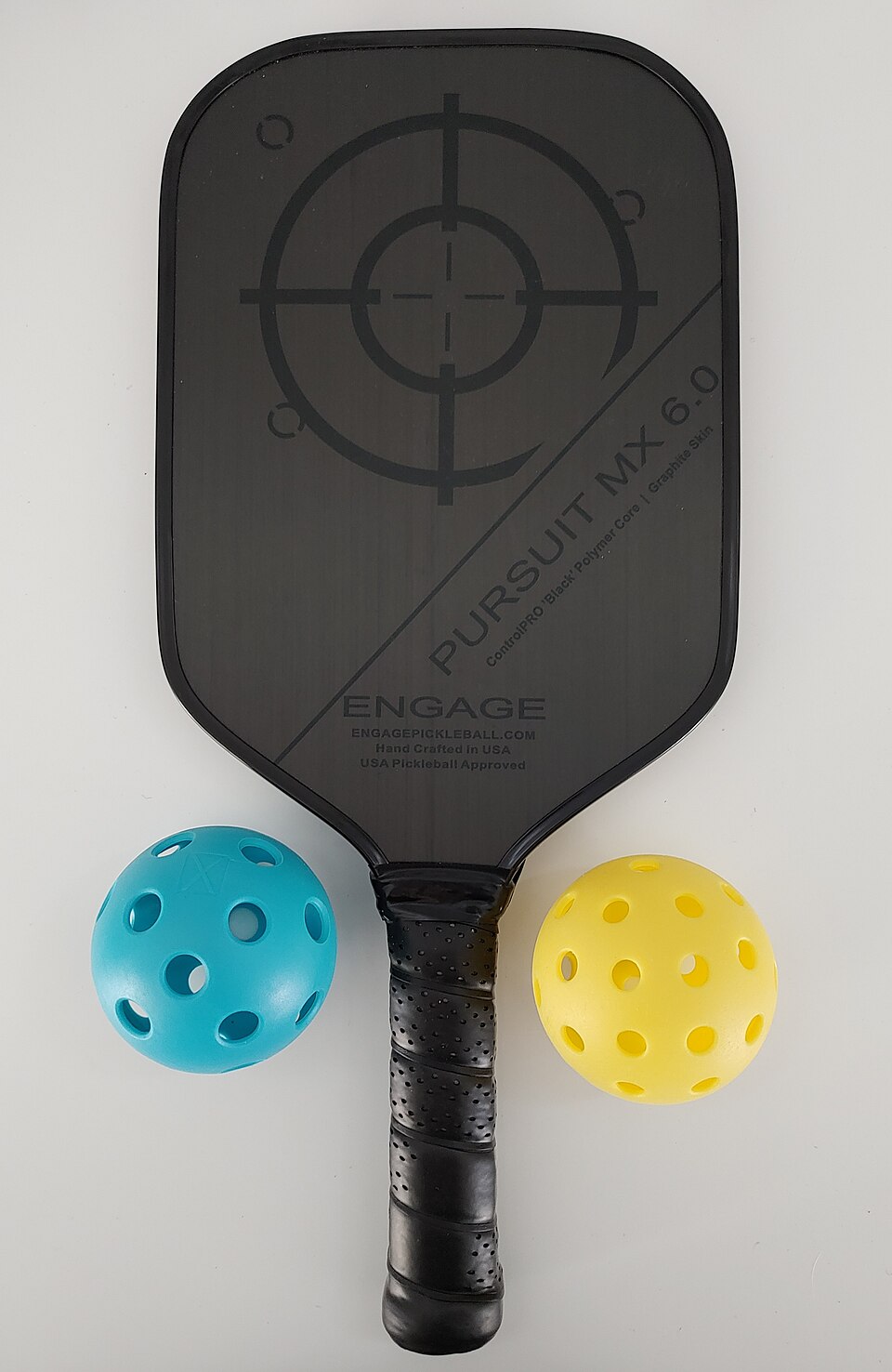
What is a third shot drop?
The third shot is the first shot hit by the serving team after the return of serve. A third shot drop is a soft shot hit with an upward arc that lands in the kitchen (non volley zone) or very close to it. The ideal result is a low bounce that keeps the opponents from attacking and gives you time to get to the non volley zone line.
When should you hit a drop vs a drive?
Both shots are useful. The right choice depends on the return you get and what you do best.
- Choose a drop when the return is deep, you are stretched, your opponents are set at the line, or you want a high percentage reset to start the soft game.
- Choose a drive when the return sits up, you can swing comfortably, and you can hit a low, hard ball that is likely to create a pop up.
- Mix when you can. A predictable team is easy to defend. Even a medium pace drive followed by a drop on the next third keeps opponents honest.
If you are building the skill from scratch, it is fine to default to the drop. It is the cleaner path to the line for most recreational players.
How to hit the third shot drop (simple mechanics)
Players miss drops for two reasons: they swing too big, or they try to be too precise. Here is a repeatable checklist.
1) Use a compact swing and a soft grip
Think “smooth” not “fast.” A relaxed grip lets the paddle face stay stable and helps you absorb pace from a hard return.
2) Contact in front, with an open paddle face
On most drops, your paddle face is slightly open (tilted up) and you lift the ball with a gentle push. You are not chopping down. You are guiding up.
3) Aim big: the middle of the kitchen
Do not aim for the sideline or a tiny corner. Aim for the center third of the kitchen and let the margin work for you. A drop that lands middle and bounces low is hard to attack.
4) Use your legs for height control
If you want the ball to land softer, bend more and lift with your legs. If you want a slightly firmer drop, stand taller and keep the same smooth swing. Your knees are your volume knob.
Targets that make drops easier
- Cross court to the opponent’s backhand: the net is lower and the diagonal gives you more court length.
- Middle: forces communication, and it removes sharp angles from the reply.
- To the moving player: if one opponent is still transitioning forward, a well placed drop can create an awkward half volley.
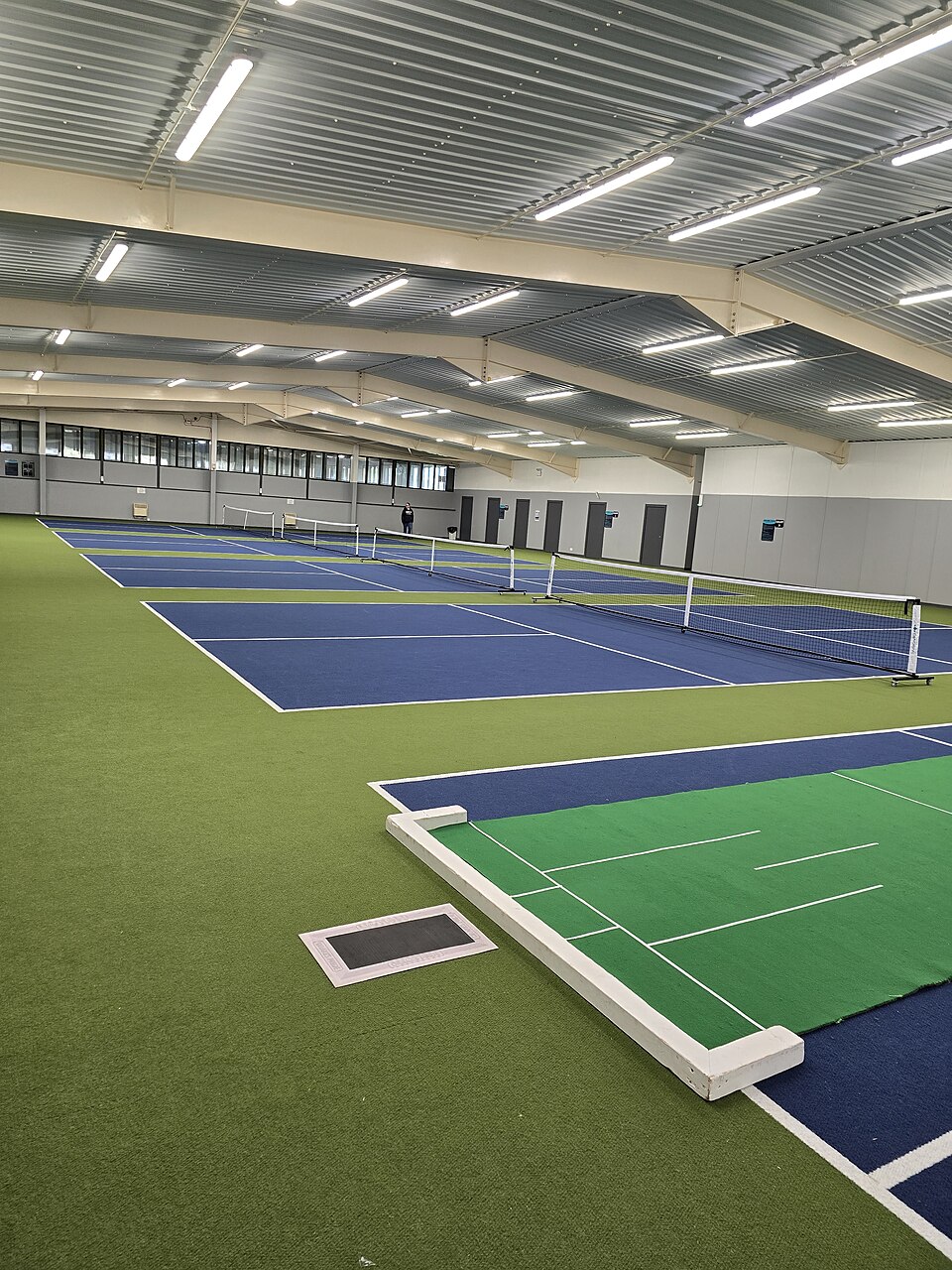
Common third shot drop mistakes (and quick fixes)
Mistake: hitting it too high and getting attacked
Fix: shorten your swing and aim deeper into the kitchen. Many pop ups happen because the ball lands near the line and bounces up. A drop that lands closer to the middle of the kitchen tends to bounce lower.
Mistake: dumping it into the net
Fix: open the paddle face slightly and add a touch more arc. Also check your footwork. If you are moving forward while you swing, you often drive the ball down. Try planting your outside foot, then swinging.
Mistake: trying to drop with a wristy flick
Fix: keep your wrist quiet. Think of your forearm and shoulder moving together like a small pendulum. A stable paddle face is the whole game.
Mistake: aiming for the sideline
Fix: aim bigger. Your job is to neutralize and approach, not win immediately. Middle kitchen is a great target until you can drop reliably.
Progression drills to build a reliable drop
- Cooperative drops: from the baseline, drop to a partner at the line who catches or blocks the ball back softly.
- Drop, step, split: hit the drop, take two controlled steps forward, then split step as the opponent contacts the ball.
- Two drops in a row: if your first drop is attacked, your next shot is often a reset. Practice stringing two soft shots together.
For a full warm up structure that supports touch shots, see our 10 minute pickleball warm up routine.
What a good third shot drop should feel like
The best mental model is that you are “placing” the ball, not striking it. If you finish your swing and feel balanced, with your paddle ending around chest height, you are probably close. If you feel like you took a full groundstroke swing, you probably hit it too hard.
Pairing the drop with smart doubles strategy
The drop is not a solo skill. It is a team approach pattern. Communicate with your partner so you both move forward together, and be ready for the common replies: a soft dink back, a roll volley, or a hard counter if the ball sits up.
If you want to understand how the drop fits into point building, read our pickleball doubles strategy guide.
Find courts and practice partners with PickleballCurator
Touch shots get better faster when you practice consistently. PickleballCurator helps you find courts with good amenities (lighting, restrooms, dedicated pickleball lines) and real player feedback. Pick a nearby court, show up for open play, and commit to 15 minutes of drop practice before games. You will feel the difference within a couple weeks.
Gear Up & Play Better
Top-rated pickleball gear, picked for all skill levels.
- Best Pickleball Paddles on Amazon →
- Pickleball Balls (Outdoor & Indoor) →
- Court Shoes for Pickleball →
- Pickleball Bags & Cases →
- Portable Pickleball Nets →
As an Amazon Associate we earn from qualifying purchases.
Frequently Asked Questions
What is a third shot drop in pickleball?
It is a soft third shot hit by the serving team after the return of serve, designed to land in the kitchen and bounce low so the opponents cannot attack, giving you time to move to the non volley zone line.
Should I hit a third shot drop or drive?
Drop when the return is deep and opponents are set at the line, or when you need a high percentage approach. Drive when the return sits up and you can hit a low ball that may create a pop up. Mixing both keeps your game less predictable.
Where should I aim my third shot drop?
Aim for the middle of the kitchen or cross court, especially to the backhand side. Big targets produce higher percentage drops and reduce unforced errors.
Why do my drops pop up?
Common causes are swinging too big, gripping too tight, or aiming too shallow near the kitchen line. Use a compact swing, a softer grip, and aim deeper into the kitchen for a lower bounce.
