Pickleball Shoes Guide (2026): Traction, Stability, and Fit
Choose pickleball shoes by court surface, lateral stability, traction, and fit. This 2026 guide explains what matters indoors and outdoors.
Your feet do a lot of the work in pickleball. If you have ever felt your toe slide on a quick stop, or your ankle wobble on a wide dink, you already know why shoes matter. The right pair is less about looking “sporty” and more about three practical things: traction, lateral stability, and comfort that lasts for two-hour sessions.
Quick answer: what shoes should you wear for pickleball?
- Outdoor courts: start with a tennis shoe (hard-court model if you want a durable outsole).
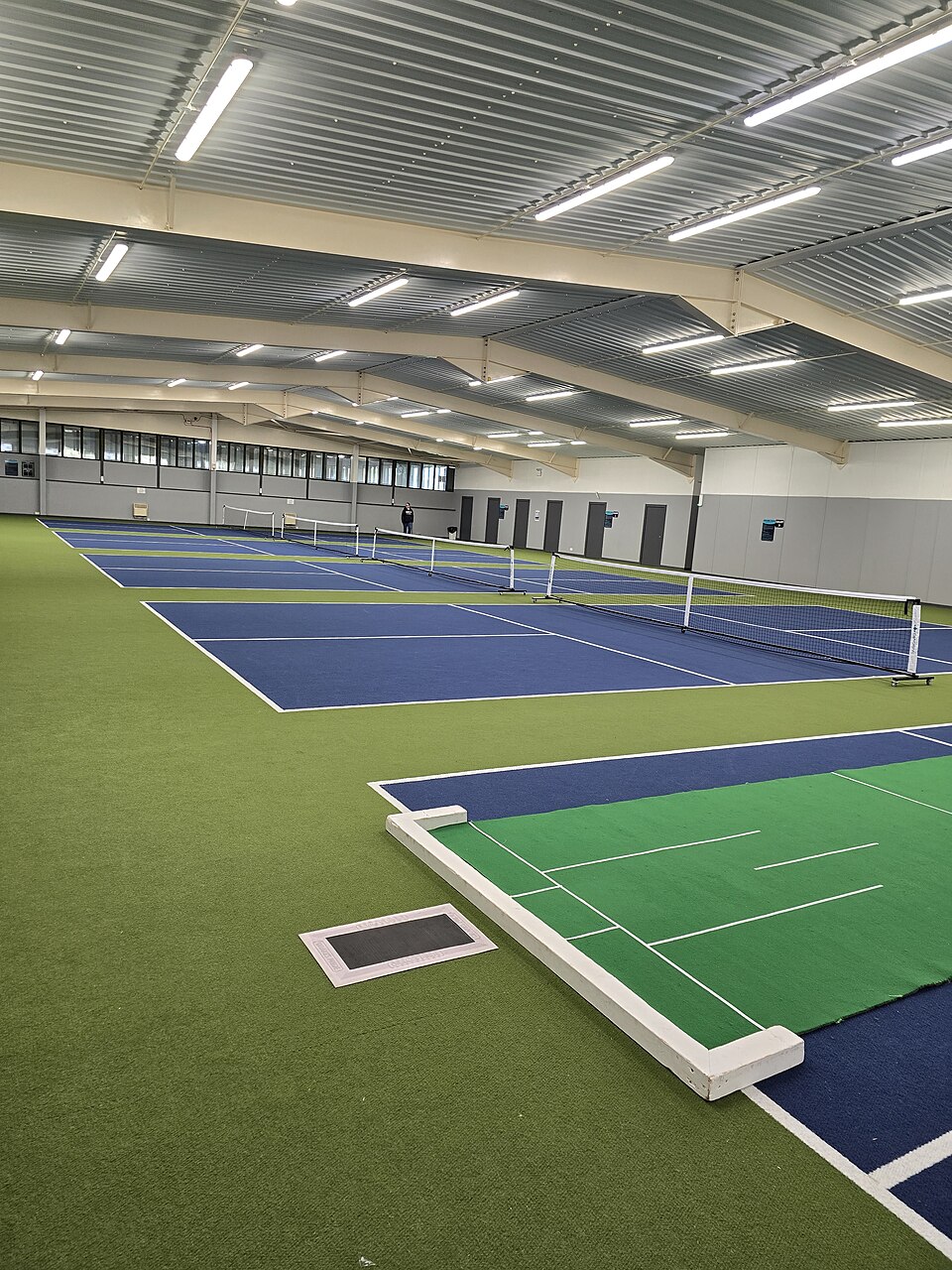
- Indoor courts (gyms): a court shoe with a non-marking sole (often volleyball or badminton style) can work great.
- Avoid: running shoes for serious play. They are built for forward motion, not repeated side-to-side cuts.
Why running shoes are a bad idea for pickleball
Pickleball movement is full of short sprints, hard stops, and lateral shuffles. Running shoes prioritize heel-to-toe cushioning and forward efficiency. The tradeoff is usually a higher stack height and softer sidewalls, which can feel unstable when you plant and change direction. If you play once in a while, you might get away with it, but if you play weekly, switching to court shoes is one of the simplest upgrades you can make.
Traction: the #1 feature that changes your confidence
Traction is what lets you commit to shots without holding back. On outdoor courts, you want an outsole pattern that grips without feeling sticky. On indoor wood or sport-court surfaces, you want a non-marking gum-style sole that bites without leaving scuffs.
What to look for:
- Outdoor: durable rubber and a tread pattern that does not pack with dust easily.
- Indoor: “non-marking” and a sole compound designed for gym floors.
Stability: lateral support and a wide base
Most pickleball injuries happen when a foot lands awkwardly during a lateral cut. Stability comes from a shoe that stays under you when you push off wide. Look for a wider base, a supportive midfoot, and a snug heel that does not slip.
Quick check in the store: lace up, then try a few side shuffles and a hard plant. If your foot rolls over the edge of the midsole, that model is too unstable for pickleball.
Cushioning: enough comfort without feeling tall
Cushioning is personal. Some players love plush comfort, others want a lower-to-the-ground feel for faster reactions. The safest default is “moderate cushioning” with a stable platform. If you have plantar fasciitis, heel pain, or knee sensitivity, prioritize comfort, but keep stability non-negotiable.
Indoor vs outdoor: can you use one pair for both?
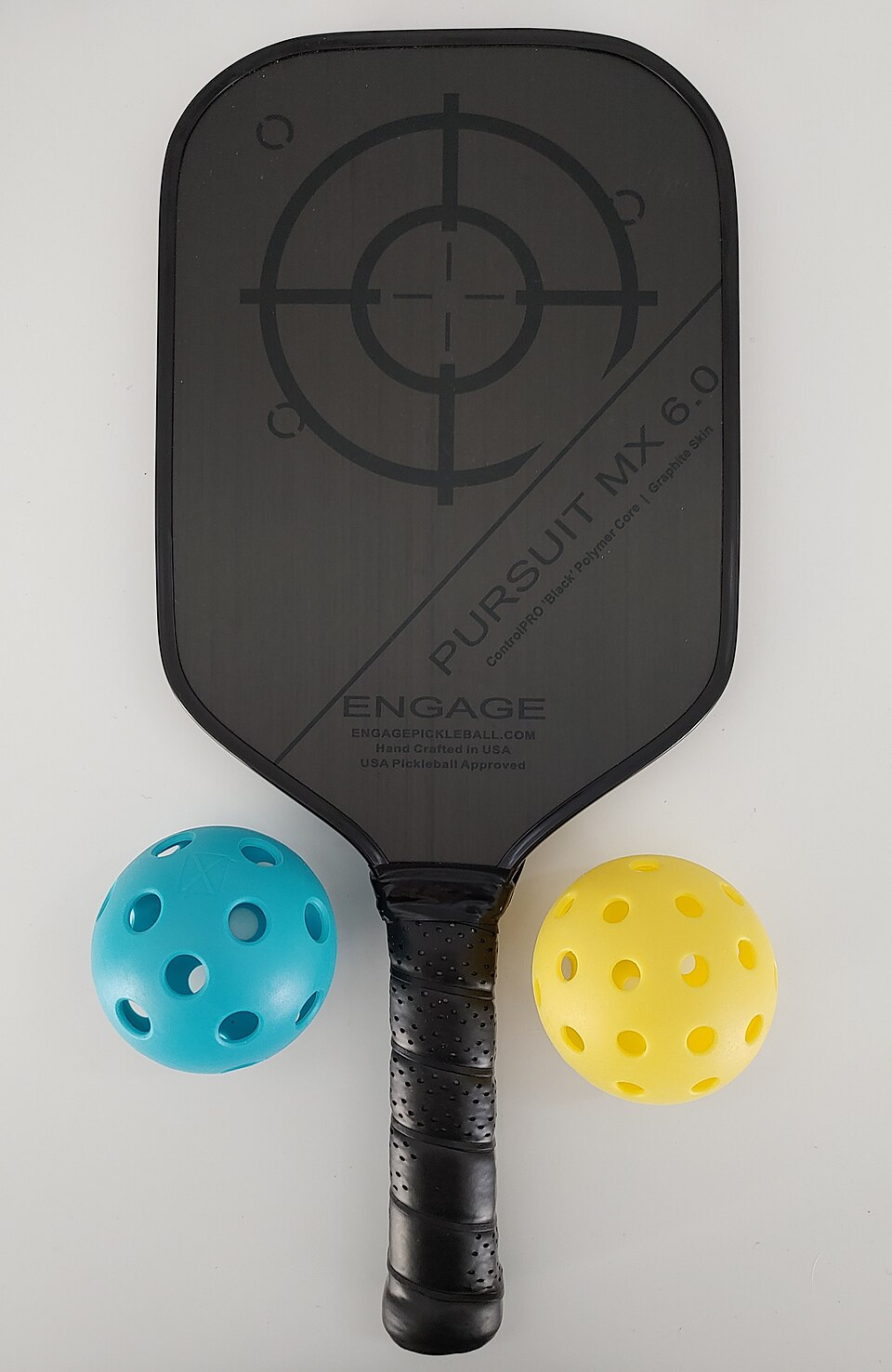
You can, but it is not ideal. Outdoor concrete/asphalt chews up softer indoor soles quickly. If you play both, your best setup is two pairs: an outdoor pair for durability, and an indoor non-marking pair that stays clean and grippy on gym floors. If you only buy one pair, choose an outdoor court shoe and accept that it may be slightly less “bitey” indoors.
Fit tips that matter more than the brand
- Toe room: you should be able to wiggle toes, but your foot should not slide forward on stops.
- Heel lock: your heel should feel anchored when you side step.
- Socks: try shoes with the socks you actually play in (thicker socks change fit a lot).
- Break-in: most court shoes feel “supportive” at first. Give them a couple sessions, but do not keep a pair that causes hotspots.
When to replace pickleball shoes
If your traction feels unreliable, or you see the outsole worn smooth under your big toe and forefoot, it is time. Another sign is when your feet start aching more after sessions, because the midsole has packed down. If you play multiple times per week, it is normal to go through shoes faster than you expect.
Use PickleballCurator to find courts that match your game
PickleballCurator’s court directory helps you find places to play with real addresses, amenities, and player notes. If you are switching between indoor and outdoor courts, browse local options and build a short list, then bring the right pair of shoes for the surface you are playing that day.
If you are new to the sport, this pickleball starter kit guide pairs well with your shoe selection checklist.
Still choosing your first paddle? See our best pickleball paddles for beginners guide.
After you pick court shoes, use this pickleball courts near me guide to find nearby courts with your preferred surface.
You can also browse the pickleball court directory for more city-by-city court options.
Choose shoes as part of the full starter setup
Court shoes matter more than another accessory, but they are only one part of a sensible first kit. See the pickleball starter gear guide for paddle, ball, and bag priorities, then find indoor or outdoor courts near you before choosing your sole.
Disclosure: Some links on this page may be affiliate links. If you buy through one, we may earn a commission at no extra cost to you. Match the shoe to your surface and fit before considering brand.
Browse pickleball court shoes after checking the indoor/outdoor guidance above.
Gear Up & Play Better
Top-rated pickleball gear, picked for all skill levels.
- Best Pickleball Paddles on Amazon →
- Pickleball Balls (Outdoor & Indoor) →
- Court Shoes for Pickleball →
- Pickleball Bags & Cases →
- Portable Pickleball Nets →
As an Amazon Associate we earn from qualifying purchases.
Frequently Asked Questions
Do I need special shoes for pickleball?
You do not need a pickleball-specific model, but you should wear court shoes (often tennis shoes outdoors, and non-marking court shoes indoors). They provide the traction and lateral stability that running shoes usually lack.
Are running shoes okay for pickleball?
Running shoes can work for casual play, but they are not ideal for pickleball’s lateral movement. Court shoes are typically more stable on side-to-side cuts and quick stops.
Can I use the same shoes for indoor and outdoor pickleball?
You can, but outdoor surfaces wear down indoor soles fast. If you play both, two pairs is best: a durable outdoor court shoe and a clean non-marking indoor pair.
When should I replace pickleball shoes?
Replace them when traction feels unreliable, the outsole is worn smooth in high-wear areas, or the midsole feels packed down and your feet ache more after play.