Pickleball Balls Guide (2026): Indoor vs. Outdoor and Durability
Choose pickleball balls for indoor or outdoor play, compare hole patterns and durability, and know when to replace a worn ball.
Pickleball balls look simple, but they are one of the biggest drivers of how a game feels. A ball that skids, cracks, or feels mushy can make even a great court play badly. The good news is that choosing the right ball is not complicated once you understand three things: indoor vs outdoor design, hole pattern and hardness, and what durability looks like in real play.
This guide breaks down what to buy for your situation, how to spot a dead ball quickly, and a few practical tips for getting more consistent games at open play.
Indoor vs outdoor pickleballs (the short version)
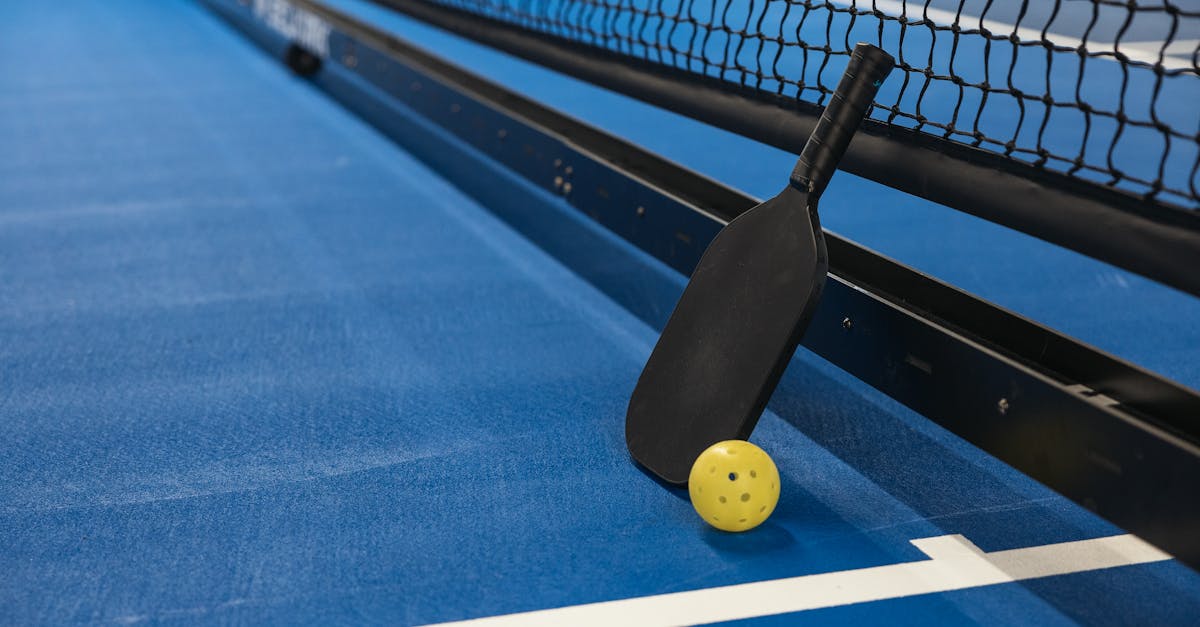
If you remember nothing else, remember this: indoor balls are softer and slower, while outdoor balls are harder and faster. They are not interchangeable if you care about consistent bounce and predictable flight.
- Indoor balls usually have fewer, larger holes. They tend to float a bit more, feel slightly softer off the paddle, and crack less on gym floors.
- Outdoor balls usually have more, smaller holes. They hold their line better in wind, bounce truer on rough surfaces, and play faster, but they can crack when cold or when hit hard.
If you are new, it is worth reading our indoor vs outdoor pickleball breakdown too. It explains why the same ball feels totally different on a gym floor versus textured outdoor acrylic.
What actually makes one pickleball “better” than another
Marketing often focuses on names and certifications, but on court you will notice these fundamentals:
1) Bounce consistency
A good ball bounces in a way that lets you trust your timing, especially on dinks and speed-ups. Cheap or worn balls often produce “random” bounces that feel like mishits.
2) Shape retention (no wobble)
After enough hard hits, a ball can go slightly out of round. That is when you see wobble in the air and hear inconsistent contact. If you have ever watched a ball flutter on a routine return, that is usually the ball, not your stroke.
3) Hardness and feel
Harder outdoor balls feel crisp and reward clean contact, but they can be loud and can punish your joints if you play for hours. Softer indoor balls can feel forgiving, but they also slow the game down. Neither is universally “better.” The right choice matches your court and your group.
4) Durability in your conditions
Durability depends on temperature, surface, and the players. A cold morning session on an outdoor court is a classic cracking scenario, while hot weather can soften balls and change bounce. If your group plays early or plays through winter, you will want to keep a spare sleeve handy.
How to choose the right ball for your games
Use these quick decision rules:
- Gym or wood floor: choose an indoor ball. You want fewer holes and a slightly softer feel.
- Outdoor acrylic or concrete: choose an outdoor ball. You want a harder ball that stays stable in light wind.
- Mixed surfaces / you travel: keep two sleeves, one indoor and one outdoor, and label them.
- You play mostly open play: ask what the group uses, then bring the same model. Consistency matters more than “the best ball.”
When to replace a pickleball (signs the ball is dead)
Most players wait too long. Replacing the ball is one of the fastest ways to improve game quality.
- Cracks: obvious, but also check for hairline cracks around the holes.
- Soft spots: squeeze lightly. If one area caves more than the rest, it is done.
- Out of round: roll the ball on a flat surface. If it wobbles, retire it.
- Flight wobble: if routine shots suddenly flutter, swap the ball and see if the problem disappears.
Ball management tips for open play (that actually reduce arguments)
Open play is fun until there is confusion about whose ball it is, or players disagree on whether a ball is “still fine.” A few small habits fix most of that.
- Bring your own sleeve: even if the group supplies balls, having a backup keeps games moving.
- Agree on a ball before the game starts: do not swap mid-game unless it cracks.
- Rotate balls by game: if you are playing back-to-back, switch to a fresh ball every couple games in competitive groups.
- Cold-weather rule: in chilly conditions, assume more cracks and keep extras courtside.
If you are building your kit from scratch, our pickleball starter gear guide covers the basics (paddles, shoes, and a few accessories) so you can show up prepared.
Does ball choice affect your strategy?
More than most people think. A faster outdoor ball can make speed-ups and drives feel more effective, while a slower indoor ball can reward patient soft play and resets. If you want a simple tactical upgrade that works regardless of ball type, read our third shot drop guide and practice it with the ball you normally play.
Quick FAQ: pickleball balls
Here are the questions we hear most often from newer players and open play regulars.
Once you choose a ball type, test it at different venues using the pickleball courts directory.
If you are heading out soon, this pickleball courts near me guide helps you quickly find a nearby session.
Need a specific ball pick?
If you already know whether you need indoor or outdoor balls, jump to our best pickleball balls for 2026 guide. For hard outdoor courts, also compare our outdoor pickleball ball picks.
Compare Franklin X-40 balls on Amazon →
As an Amazon Associate we earn from qualifying purchases.
Pair the right ball with the right court
Ball choice only makes sense in context. Use the pickleball starter gear guide for the rest of your setup, then find a nearby indoor or outdoor court and ask what ball the local group prefers.
Disclosure: Some links on this page may be affiliate links. If you buy through one, we may earn a commission at no extra cost to you. The best ball is the one that matches your surface and playing group.
Compare indoor and outdoor pickleball balls after identifying your playing surface.
Gear Up & Play Better
Top-rated pickleball gear, picked for all skill levels.
- Best Pickleball Paddles on Amazon →
- Pickleball Balls (Outdoor & Indoor) →
- Court Shoes for Pickleball →
- Pickleball Bags & Cases →
- Portable Pickleball Nets →
As an Amazon Associate we earn from qualifying purchases.
Frequently Asked Questions
Can I use an outdoor pickleball indoors?
You can, but it usually plays too fast and can skid on some gym floors. Indoor balls are designed to grip and bounce more predictably on indoor surfaces. If your group is using indoor balls, match them for consistent play.
Why do pickleballs crack more in cold weather?
Plastic becomes more brittle as temperatures drop. A hard hit on a cold outdoor ball can create a crack, often starting around a hole. If you play in cool mornings or winter, keep extra balls on hand and swap immediately when you see a hairline crack.
How long does a pickleball last?
It depends on the ball type, temperature, court surface, and how hard your group hits. Competitive outdoor play can wear through balls quickly. The practical approach is to replace the ball as soon as you notice cracks, wobble, soft spots, or inconsistent bounce.
What is the easiest way to tell if a ball is out of round?
Roll it on a flat surface. If it wobbles instead of rolling smoothly, it is likely out of round and will fly unpredictably. Swapping to a fresh ball is the fastest fix.