
Pickleball Stacking Strategy: How to Stack, When to Use It, and Mistakes to Avoid
A practical pickleball stacking guide: how to stack on serve and return, where to stand, when to slide, and mistakes to avoid.
Stacking is one of those doubles tactics that looks complicated from the outside, but it is really just a way to start a point with your strongest forehand (or best player) in the best spot. You are not changing the rules of the game. You are only choosing where each partner stands before the serve or return, then sliding into your preferred side after the ball is in play.
If you have ever felt “stuck” playing backhand dinks on the left side when you would rather play forehands there, stacking is the fix. Used well, it simplifies your patterns. Used poorly, it creates confusion, missed serves, and free points for the other team. This guide walks you through the clean, beginner friendly version.
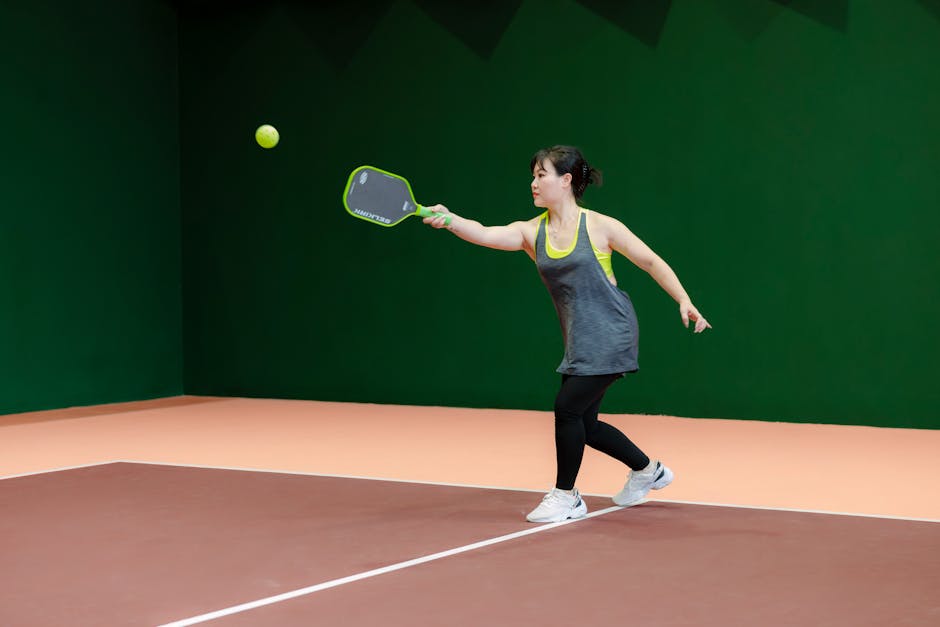
What “stacking” means in pickleball
Stacking means you and your partner line up on the same side of the court before the serve (or before the return) so that, after the first one or two shots, you can move into a preferred left right arrangement.
The most common goal is to keep a right handed player’s forehand in the middle more often, or to keep a specific player on the left side (or right side) for dinking and speedups.
Why teams stack (the real benefits)
- More forehands in the middle: for many teams, forehands are more stable than backhands in fast exchanges.
- Stronger third shots and resets: if one partner has better touch, stacking can put them in the dink lane more often.
- Better matchups: you can put your more aggressive player against the opponent you want to pressure.
- Cleaner patterns: when roles are clear, you hesitate less on balls down the seam.
The key rule: you must serve and receive from the correct box
Stacking does not let you ignore the serving rules. The server must always serve from the correct side based on the team’s score (even score on the right, odd score on the left). The receiver must also stand in the correct box to receive.
If you want a quick refresher, see our pickleball serve rules guide.
Stacking on the serve (step by step)
The simplest way to think about stacking is that you choose a preferred sides setup, then temporarily line up so the correct player can serve.
1) Decide your preferred sides
Most right handed teams who stack want one player to play the left side (forehand in the middle). Call this the “left side player.”
2) Serve legally from the correct box
If the left side player is supposed to serve from the left box (odd score), great. If the score says they must serve from the right box, you can still stack, but your partner will stand out wide (often near the sideline) so you can slide back into preferred sides after the return.
3) After the return, slide into your preferred sides
Once the return comes back, both partners move with purpose into the left right arrangement you chose. The earlier you move (without leaving a huge open court), the cleaner it feels.
Stacking on the return (step by step)
Many recreational teams find stacking easier on the return because the returning player can hit the return, then run to their preferred side while their partner covers the middle for a moment.
- Receiver stands in the correct box to return serve.
- Partner starts stacked (same side) and is ready to cover the middle after the return.
- Receiver returns, then runs to the preferred side while watching the third shot.
This is where the third shot matters. If your opponents can punish a floating return, it becomes harder to stack comfortably. If you are working on point structure, read our third shot drop guide.
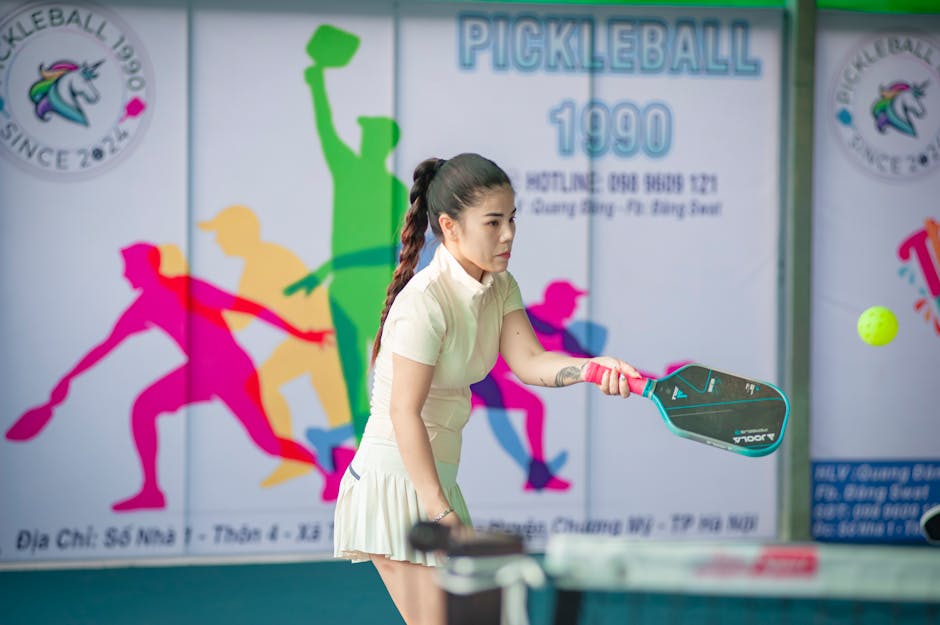
Simple stacking communication (no complicated hand signals)
You do not need pro level signals at open play. Try this instead:
- Before the point, say the plan out loud: “I’m staying left,” or “switch after the return.”
- Use one reminder word: “stack” means you are sliding into preferred sides, “straight” means you stay traditional.
- Call seams early: agree who takes the middle on speedups (often the forehand).
Clear communication also makes you a better open play partner. Our open play etiquette guide covers rotation and being a great teammate.
Common stacking mistakes (and how to fix them)
Mistake: starting in the wrong box
Fix: always anchor on the score first. Say “even right, odd left” to yourself before you line up. If you start wrong, do not try to “make it work.” Reset before the serve.
Mistake: moving too late
Fix: decide when you will slide. For most teams, it is immediately after the return (on the return stack) or immediately after the return comes back (on the serve stack). Hesitation leaves a big gap.
Mistake: leaving the middle wide open
Fix: the non moving partner should protect the middle while the other slides. Think “cover first, then switch.” If you both run at once, you give up an easy drive.
Mistake: stacking without a reason
Fix: stacking is a tool, not a requirement. If you and your partner are comfortable playing traditional sides, you may score more points by keeping it simple.
When you should not stack (yet)
- If you are still learning basic serve and return consistency.
- If your team struggles to communicate who takes the middle.
- If the opponent is targeting your transition and you cannot reach the kitchen reliably.
In those cases, focus on solid doubles fundamentals first. Our pickleball doubles strategy guide is a good next step.
Find courts and partners to practice stacking with PickleballCurator
Stacking feels awkward until you repeat it in real games. PickleballCurator makes it easy to find courts with active open play so you can practice the pattern with different partners, get comfortable communicating, and see what works at your level. Browse courts near you, show up a little early, and run five “return and slide” reps before you start playing.
Gear Up & Play Better
Top-rated pickleball gear, picked for all skill levels.
- Best Pickleball Paddles on Amazon →
- Pickleball Balls (Outdoor & Indoor) →
- Court Shoes for Pickleball →
- Pickleball Bags & Cases →
- Portable Pickleball Nets →
As an Amazon Associate we earn from qualifying purchases.
Frequently Asked Questions
What is stacking in pickleball?
Stacking is a doubles positioning tactic where partners start on the same side before the serve or return, then slide into their preferred left right arrangement after the ball is in play.
Is stacking legal in pickleball?
Yes. Stacking is legal as long as the correct player serves or receives from the correct box based on the score.
When should you use stacking?
Use stacking when it helps you keep a strong forehand in the middle, create better dink matchups, or simplify who takes the middle on fast exchanges. Avoid it if it creates confusion or leads to position errors.
Do you need hand signals to stack?
Not necessarily. Many recreational teams stack successfully by saying a simple plan out loud before the point and agreeing who covers the middle during the slide.
