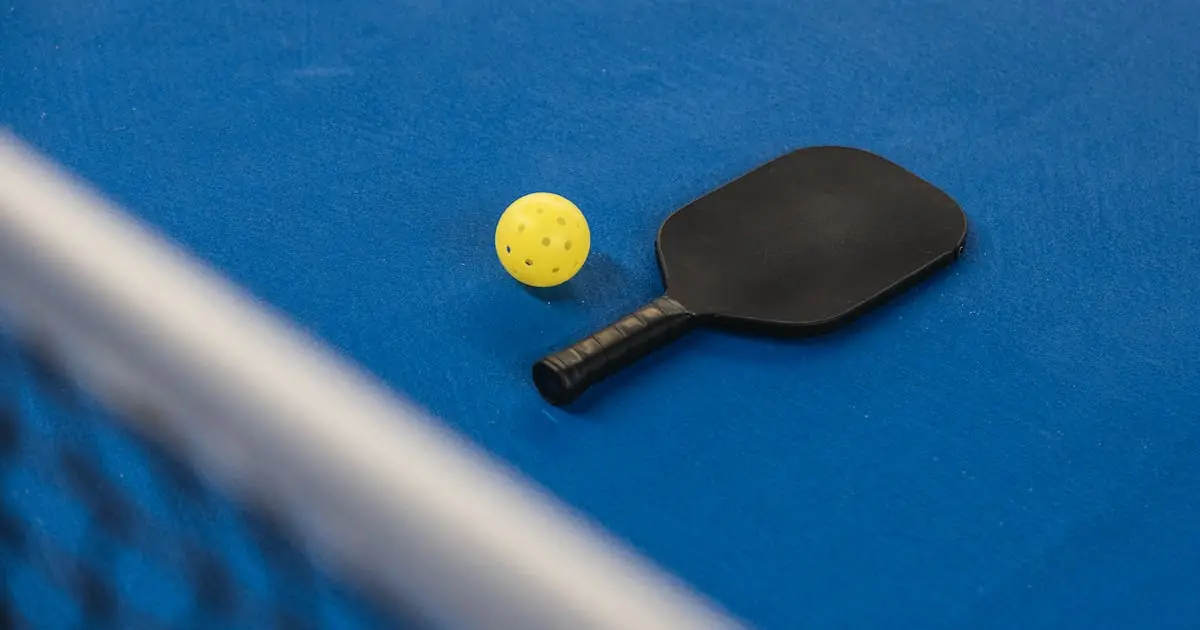
How to Clean a Pickleball Paddle (Carbon Fiber, Graphite, Fiberglass) + What to Avoid
Keep your paddle grippy and clean with a safe 5-minute routine for carbon fiber, graphite, edge guards, overgrips, and regular post-game care at home.
A clean paddle is not about being precious, it is about keeping your face texture consistent, your grip secure, and your paddle looking and playing the way it should. Dust, court grit, sunscreen, and sweat build up faster than most players realize, especially if you play outdoors or keep your paddle in a bag with balls and shoes.
This guide walks through a simple after-play routine, a deeper clean when your paddle starts to feel slick, and the common mistakes that can permanently change the feel of your paddle face.
Quick start: the 2-minute after-play paddle cleaning routine
- Dry wipe the face with a clean microfiber cloth to remove dust and ball fuzz.
- Check the edge guard for grit and small gaps where dirt can grind into the face.
- Wipe the handle where sweat and sunscreen collect, then let it air out before you zip up your bag.
If you do this most sessions, you will need deep cleaning far less often.
What you need (and what you should not use)
Keep it boring. Most paddles do not need specialty chemicals.
Good tools
- Microfiber cloth (a couple of them so you can keep one dry)
- Warm water
- A drop of mild dish soap (only when needed)
- Soft toothbrush or soft detailing brush (for edge guard crevices)
- Optional: a paddle eraser (rubber cleaning block) for textured faces
Do not use these
- Abrasive pads (Magic Eraser, scouring sponges, steel wool). They can change face texture.
- Harsh solvents (acetone, paint thinner) or strong alcohol solutions. They can weaken adhesives and finishes.
- Spray lubricants or oils. They attract dust and can make the face feel inconsistent.
- High-pressure water (power washer) or soaking the paddle. Water intrusion can cause delamination over time.
How to clean the paddle face (carbon fiber, graphite, fiberglass)
The face is where you feel the biggest difference, so clean it gently.
- Start dry. Use a microfiber cloth to remove loose grit so you do not grind particles into the face.
- If it still looks dirty, go slightly damp. Dampen the cloth with warm water, wring it out well, and wipe the face in straight strokes.
- Add a tiny amount of mild soap only if needed. If sunscreen or sticky residue is present, put a drop of dish soap on the cloth (not directly on the paddle), wipe, then wipe again with a clean damp cloth to remove soap.
- Dry immediately. Use a dry microfiber cloth and let the paddle air dry for a few minutes before putting it away.
Textured carbon fiber faces: If you play with a raw carbon fiber paddle, a rubber paddle eraser can be helpful when the face feels dusty or chalky. Use light pressure, short strokes, and stop as soon as the surface looks uniform. If you see dust piling up, wipe it off and keep going gently.
How to clean the edge guard and protect the paddle perimeter
The edge guard takes more abuse than the face, especially if you play near fencing or you slide your paddle on the court between points (try not to do that). Dirt trapped along the edge can slowly grind into the face material.
- Wipe the edge guard with a slightly damp microfiber cloth.
- Use a soft toothbrush to lift dirt from seams, then wipe again.
- If you see separation or gaps, consider an edge guard tape solution to prevent debris from getting underneath.
Tip: If your paddle has an edge guard, do not scrape at it with anything sharp. It is easy to nick the face or lift adhesive.
How to clean the grip (and when to replace it)
A slick grip is a safety issue. If your paddle twists in your hand, your swing mechanics change, and you will tend to over-grip, which can irritate your elbow.
- For a standard replacement grip: wipe lightly with a damp cloth, then dry. Do not soak the wrap.
- For an overgrip: it is usually better to replace it than to wash it. Overgrips are meant to be swapped often.
Also, let your paddle air out after play. Zipping a sweaty paddle into a bag can lead to odor and even mildew on grips.
Common mistakes that ruin paddles faster
- Using abrasives to “scrub spin back.” Texture loss is permanent. Clean, do not sand.
- Soaking the paddle. A damp cloth is enough. Submerging can push water into seams.
- Leaving the paddle in a hot car. Heat can soften adhesives and warp cores, especially in summer.
- Cleaning with strong chemicals. If you would not put it on your phone screen, do not put it on your paddle face.
Storage tips that keep your paddle cleaner between games
- Use a paddle cover to keep grit off the face in your bag.
- Store balls in a separate pocket so fuzz does not coat the paddle face.
- Do not store the paddle under heavy items that can stress the core.
- Keep it out of extreme heat and direct sun when possible.
Related reads on PickleballCurator
- How to Choose a Pickleball Paddle
- Pickleball Paddle Grip Size: How to Measure and Choose
- Pickleball Shoes Guide: Traction, Stability, and What to Buy
Find places to play near you
Pickleball is easier to stick with when you have reliable courts and consistent games. PickleballCurator’s directory helps you find courts with details like surface type, amenities, and player ratings. If you are traveling, it is also a fast way to find backup options in a new city.
Browse the full pickleball court directory to find your next game.
For a complete pre-play checklist, keep this pickleball starter kit guide handy with your paddle care routine.
If you are buying your first paddle, compare these best pickleball paddles for beginners before you set up your cleaning routine.
Need a place to play after tune-up? Use this pickleball courts near me guide to find a local session fast.
Recommended Paddle Care Accessories
Keep your paddle face and edge guard in better shape with a basic cleaning kit, microfiber cloths, and edge tape. Shop paddle cleaning and maintenance accessories on Amazon.
Related reading before your next match
Gear Up & Play Better
Top-rated pickleball gear, picked for all skill levels.
- Best Pickleball Paddles on Amazon →
- Pickleball Balls (Outdoor & Indoor) →
- Court Shoes for Pickleball →
- Pickleball Bags & Cases →
- Portable Pickleball Nets →
As an Amazon Associate we earn from qualifying purchases.
Frequently Asked Questions
Can I use rubbing alcohol to clean a pickleball paddle?
It is safer to avoid strong alcohol solutions. A damp microfiber cloth is usually enough, and mild dish soap can handle sunscreen or sticky residue. Harsh cleaners can weaken finishes and edge guard adhesives over time.
Do paddle erasers work on raw carbon fiber paddles?
Yes, a rubber paddle eraser can lift dust and grime from textured faces. Use light pressure and stop once the surface looks uniform, because aggressive rubbing can wear texture faster.
How often should I replace my overgrip?
Replace it when it feels slick, starts to tear, or you notice the paddle twisting in your hand. For frequent players, that can be every few weeks, and even sooner in hot or humid conditions.
Is it okay to wash a paddle with water in the sink?
Avoid soaking or running high-pressure water over a paddle. Use a wrung-out damp cloth instead, then dry immediately. Water forced into seams can contribute to delamination over time.